Account-Based Marketing
Account-Based Marketing That Helps You Win the Accounts That Matter
You know which accounts you want to win. Getting the right people within those businesses to pay attention is another matter.
You’ve invested in target account lists, intent data, content and paid media. Sales has its priority accounts, marketing has campaigns running, and there’s no shortage of reporting available.
But when you look at the accounts that matter most, can you see whether all that activity is helping to create opportunities or move existing deals forward?
It’s a difficult question to answer when account intelligence sits in one platform, media is managed by another agency, creative is developed separately and sales is working from its own information. Each part might be performing well individually, yet there’s little visibility of what’s happening across the account.
For enterprise B2B organisations, where buying decisions can involve numerous stakeholders over many months, that visibility matters.
End-to-end ABM and ABX programmes
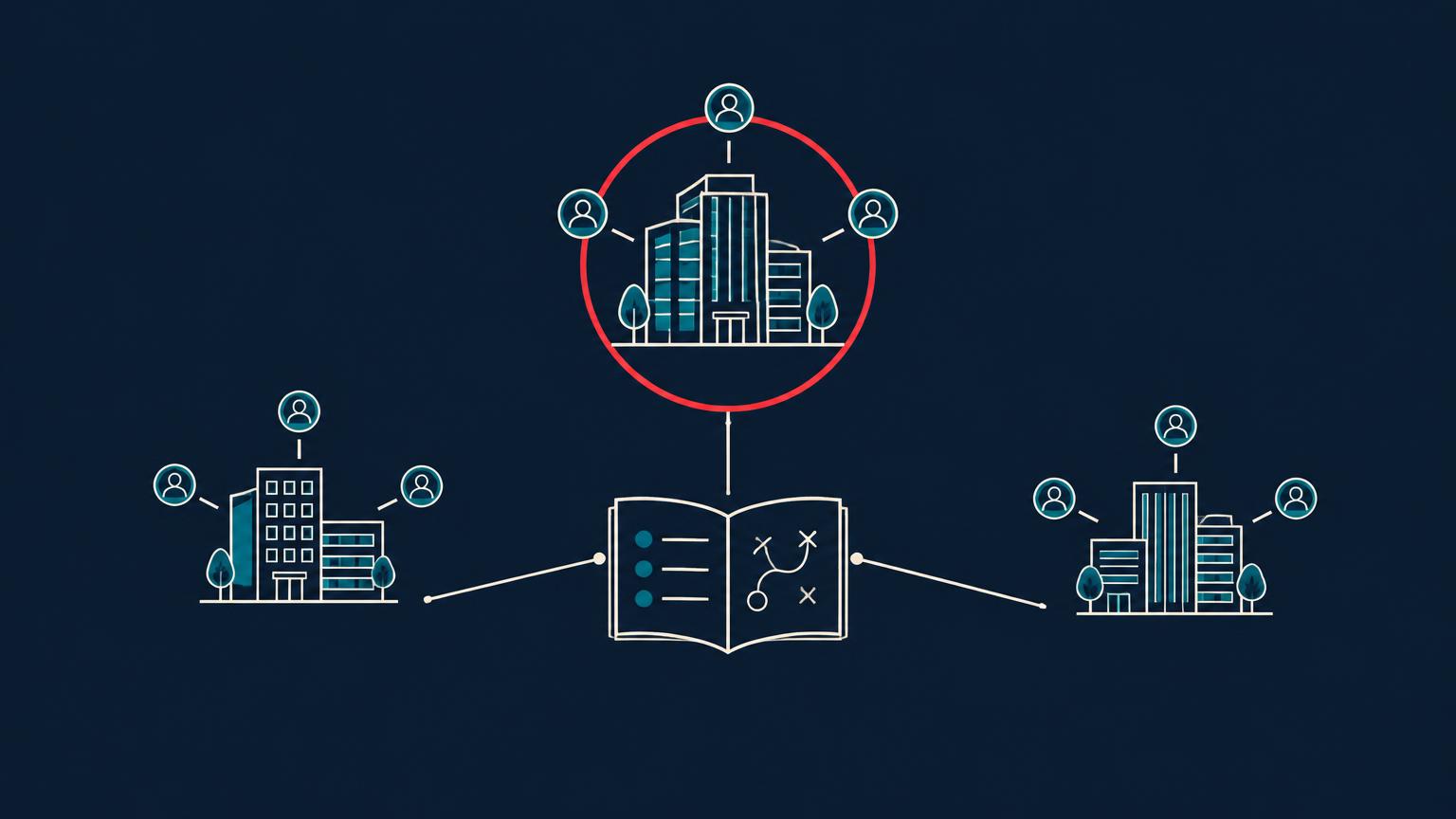
Your ABM approach should reflect the accounts you’re targeting and the opportunities you’re trying to develop. A global enterprise account with a live seven-figure opportunity needs a very different level of attention from an organisation you’re hoping to engage for the first time.
Through spanb2b, you can plan and deliver account-based marketing programmes covering strategy, account intelligence, creative, content, media, sales activation and measurement.
The scope depends on what you already have in place, where the gaps are and what will make the greatest difference.
The right ABM model for your accounts
1:1 ABM for strategic accounts
When a single organisation represents a significant opportunity, you can justify investing time in understanding its business priorities, stakeholders, competitive relationships and purchasing environment.
That research informs everything from the messages you develop to the content, media and executive engagement used to support the account.
1:few ABM for account clusters
You may have 20 organisations in the same sector facing similar pressures, or a group of businesses using a competitor’s technology.
Rather than building 20 entirely separate programmes, a 1:few approach allows you to develop campaigns around those shared characteristics, with enough account-level relevance to make the activity meaningful.
1:many ABM for broader market coverage
Larger account lists call for a different approach. Here, audience intelligence, targeted media and scalable creative help you reach more of the right organisations, build familiarity and identify where deeper engagement may be worthwhile.
Deal-based marketing for live opportunities
Sometimes the account is already in your pipeline. Sales has a relationship, there’s an active opportunity, and the challenge is reaching other people involved in the decision.
A focused programme can help address specific objections, strengthen the business case or introduce your proposition to stakeholders who haven’t yet engaged.
Your buying group is bigger than your contact list
An interested IT director might be your strongest advocate, but that doesn’t mean they control the budget or make the final decision.
Finance, procurement, technical specialists, business leaders and existing suppliers can all influence what happens next. Some won’t engage with your campaigns directly, despite having considerable influence over the outcome.
Effective Account-Based Experience (ABX) considers those different stakeholders and the interactions they have with your business throughout the buying process.
That might involve advertising, content, events, executive communications and direct sales engagement. The important part is understanding how those interactions support the account’s progress.
What should you be measuring?
Impressions, clicks and engagement rates are useful for understanding campaign delivery. They’re less useful on their own when you’re trying to establish whether your ABM investment is supporting growth.
You also want to know how much of the buying group you’re reaching, which accounts are becoming more engaged, where opportunities are being created and whether existing deals are progressing.
Where the necessary CRM and opportunity data is available, those measures can be considered alongside pipeline and revenue outcomes.
The purpose is to make better investment decisions, including recognising when an approach isn’t delivering what you expected.
Make your next ABM investment count
Whether you’re developing a 1:1 programme for a handful of strategic accounts or planning international ABM across hundreds of organisations, the starting point is the same: understand the opportunity, the buying group and what needs to happen next.